Imagine returning to your parked car after unexpected heavy rainfall or flash flooding in Dubai, only to discover water intrusion that has affected your vehicle’s interior, electrical systems, or engine bay. In a city where sudden downpours can transform roads into waterways within minutes, water damage to vehicles is a serious reality that demands immediate, specialized attention. Every moment counts when water compromises your vehicle’s systems—delayed response can mean the difference between complete restoration and irreversible damage.
At Metamechanics, we provide comprehensive flooded car repair service in Dubai because we understand the complex, progressive nature of water damage. Whether your vehicle has experienced minor water seepage or significant submersion, our certified technicians employ systematic restoration protocols to salvage your vehicle and prevent long-term electrical, mechanical, and structural deterioration.
Understanding Water Damage: What Happens When Water Enters Your Vehicle
The Progressive Nature of Water Damage:
Water intrusion affects vehicles in ways that are often invisible to the untrained eye:
Immediate Impact:
-
Electrical short circuits and module failure
-
Water ingestion into engine cylinders
-
Contamination of transmission, brake, and power steering fluids
-
Interior material saturation
Short-Term Damage (Days to Weeks):
-
Corrosion begins on unprotected metal surfaces
-
Mold and mildew development in carpets and padding
-
Electrical connector corrosion causing intermittent failures
-
Sensor and actuator degradation
Long-Term Consequences (Months to Years):
-
Progressive wiring harness corrosion
-
Airbag and safety system compromise
-
Structural rust in body cavities
-
Persistent electrical gremlins and system failures
The Dubai-Specific Context:
Flash Flood Reality: Dubai’s infrastructure can experience sudden, intense water accumulation during seasonal rainfall
Salt Water Risk: Vehicles near coastal areas face accelerated corrosion from saltwater exposure
Temperature Fluctuations: Dubai’s rapid temperature swings accelerate moisture-related deterioration
Premium Vehicle Concentration: High-value vehicles require specialized restoration expertise
Recognizing When Your Vehicle Needs Professional Water Damage Intervention
Immediate Warning Signs:
| Sign | What It Indicates | Action Required |
|---|---|---|
| Visible water inside cabin | Seal failure, submersion | Immediate professional assessment |
| Engine won’t crank | Potential hydrolock | Do not attempt to start |
| Multiple warning lights | Electrical system compromise | Immediate diagnostics |
| Musty or chemical odors | Moisture trapped in interior | Professional drying required |
| Water in engine bay | Intake or electrical exposure | Comprehensive inspection |
Delayed Symptoms (Appear Days to Weeks Later):
-
Intermittent electrical issues—lights flickering, systems working sporadically
-
White or green residue on connectors or under dash components
-
Visible mold growth on carpets, seats, or interior trim
-
Persistent dampness or odors despite apparent drying
-
Gradual loss of function in affected systems—windows, locks, infotainment
Our Comprehensive Water Damage Restoration Protocol
Phase 1: Emergency Assessment & Damage Classification
When you bring your vehicle to our facility, we conduct a thorough evaluation:
Water Type Identification: Determining whether fresh water, salt water, or contaminated water exposure occurred—critical for restoration approach
Submersion Level Classification: Assessing depth of water intrusion:
-
Level 1: Floor-level water only
-
Level 2: Water up to seat level
-
Level 3: Water up to dashboard level
-
Level 4: Full submersion
System Impact Analysis: Identifying which vehicle systems have been affected—electrical, mechanical, safety, interior
Safety System Verification: Checking airbag modules, seatbelt pretensioners, and electronic safety controls for water exposure
Time Since Exposure Assessment: Critical factor determining restoration viability and approach
Insurance Coordination: Comprehensive documentation for claim processing
Phase 2: Electrical System Protection & Recovery
The electrical system is the most vulnerable component in water-damaged vehicles:
Immediate Power Isolation: Disconnecting battery to prevent ongoing short circuits and electrical fires
Module Extraction and Drying: Removing all electronic control units—engine control module, transmission control module, body control module, airbag module, ABS module—for professional cleaning and drying
Connector Cleaning Protocol: Specialized electrical contact cleaning for all affected connections using industry-approved solutions
Wiring Harness Inspection: Comprehensive evaluation of all wiring looms for water intrusion and corrosion
Module Reconditioning: Professional drying, cleaning, and testing of critical electronic components in controlled environments
System Diagnostics: Advanced scanning to identify which modules have been affected and require replacement
Corrosion Prevention: Dielectric grease application to all cleaned connectors for long-term protection
Phase 3: Interior Water Extraction & Complete Drying
Proper interior restoration requires systematic moisture removal:
Professional Water Extraction: Industrial-grade equipment for thorough water removal from carpets, seats, and floor pans
Complete Interior Removal: Carpets, padding, and sound-deadening materials extracted for separate drying or replacement
Industrial Drying Equipment: High-capacity air movers and dehumidifiers positioned throughout cabin for complete moisture elimination
Mold Prevention Treatment: Antimicrobial applications to all interior surfaces to prevent fungal growth
Odor Neutralization: Professional ozone treatment to eliminate moisture-related smells
Seat and Trim Restoration: Professional cleaning, drying, and treatment of all interior components
Heating and Ventilation System Cleaning: HVAC duct cleaning to prevent mold distribution
Phase 4: Mechanical System Assessment & Recovery
Water contamination of mechanical systems can lead to catastrophic failure:
Engine Evaluation:
-
Crankshaft rotation verification
-
Cylinder borescope inspection for water evidence
-
Compression testing for engine integrity
-
Oil analysis for water contamination
Complete Fluid Replacement:
-
Engine oil and filter replacement
-
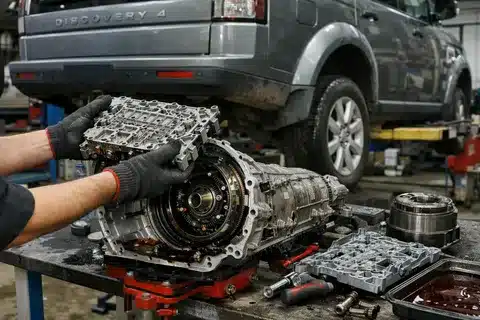
Transmission fluid flush and filter replacement
-
Brake fluid complete system flush
-
Coolant system drain and refill
-
Power steering fluid replacement
-
Differential and transfer case fluid change
Intake System Inspection: Complete disassembly and cleaning of air intake, air filter housing, and ducting
Exhaust System Evaluation: Water removal from exhaust components
Fuel System Assessment: Fuel tank draining, fuel line flushing, fuel filter replacement
Turbocharger Inspection: For turbocharged vehicles—checking for water damage
Phase 5: Corrosion Prevention & Long-Term Protection
Preventing future deterioration is essential for restoration success:
Underbody Cleaning: Professional pressure washing of all undercarriage components to remove contaminants
Corrosion Inhibitor Application: Protective treatments for metal components, brake lines, and suspension parts
Connector Protection: Dielectric grease application for all electrical connections
Cavity Protection: Treating body cavities, door panels, and hollow sections with rust inhibitors
Paint Protection: Professional cleaning and sealing of exterior surfaces
Long-Term Prevention Recommendations: Guidance for ongoing protection
Phase 6: Comprehensive Validation & Quality Assurance
We ensure complete restoration before vehicle return:
System Function Testing: Verification of all electrical systems including lighting, windows, locks, infotainment, climate control
Safety System Verification: Confirming airbag system, seatbelt pretensioners, and stability control integrity
Engine Performance Testing: Comprehensive engine operation verification under load
Transmission Operation Check: Ensuring proper shifting and transmission function
Interior Quality Verification: Confirming complete drying, no residual odors, proper fit of all components
Road Testing: Extended evaluation under actual Dubai driving conditions
Extended Monitoring: Post-repair follow-up to ensure lasting restoration
Vehicles We Restore
All Makes and Models:
European Luxury: Mercedes-Benz, BMW, Audi, Porsche, Land Rover, Jaguar, Volvo, Bentley, Rolls-Royce
Japanese & Korean: Toyota, Lexus, Nissan, Infiniti, Honda, Acura, Mitsubishi, Hyundai, Kia, Genesis
American Vehicles: Cadillac, Chevrolet, Ford, Dodge, Jeep, GMC, Lincoln, Tesla
Chinese Market: Haval, MG, GAC, Hongqi, Jetour, Geely, BYD
Supercar & Exotic: Ferrari, Lamborghini, McLaren, Maserati, Aston Martin, Porsche
Commercial Vehicles: Light trucks, vans, fleet vehicles, and 4×4 off-road vehicles
Why Immediate Professional Response Is Critical
The Window of Opportunity:
| Time After Exposure | Damage Progression | Restoration Viability |
|---|---|---|
| 0-6 hours | Initial water penetration, limited corrosion | Excellent with immediate action |
| 6-24 hours | Electrical corrosion begins, mold development starts | Good, but complexity increases |
| 24-72 hours | Significant electrical damage, mold growth | Moderate, higher component replacement |
| 3-7 days | Extensive corrosion, safety system compromise | Limited, high cost |
| Beyond 7 days | Permanent damage likely | Significant replacement required |
Common Mistakes That Compound Damage:
Attempting to Start a Flooded Engine: Can cause catastrophic internal damage—connecting rod failure, cylinder wall scoring, complete engine destruction
Delaying Professional Inspection: Hidden electrical and mechanical damage worsens progressively with time
DIY Drying Attempts: Improper drying can trap moisture, accelerating corrosion in hidden areas
Ignoring Warning Signs: Electrical and corrosion issues worsen progressively, leading to system failures
Neglecting Documentation: Lack of professional assessment can complicate insurance claims
Investment Considerations for Water-Damaged Vehicle Restoration
Restoration Cost Factors:
| Factor | Impact on Cost |
|---|---|
| Water Type | Salt water significantly increases complexity and cost |
| Submersion Depth | Higher water levels require more extensive restoration |
| Vehicle Value | Premium vehicles justify comprehensive restoration |
| Electronic Module Count | Modern vehicles with extensive electronics cost more to restore |
| Time Since Exposure | Immediate response yields better outcomes and lower costs |
| Component Replacement | Module and component replacement adds to cost |
Typical Investment Ranges:
-
Minor Water Intrusion (Floor Level): AED 1,500 – AED 3,500
-
Interior drying, basic electrical cleaning, fluid checks
-
-
Moderate Damage (Seat Level): AED 3,500 – AED 8,000
-
Complete interior removal and drying, module cleaning, fluid changes, corrosion prevention
-
-
Extensive Damage (Dashboard Level): AED 8,000 – AED 15,000
-
Full interior replacement, extensive module cleaning or replacement, complete mechanical system flushing
-
-
Severe Damage (Full Submersion): AED 15,000 – AED 30,000+
-
Comprehensive restoration requiring significant component replacement, engine assessment, transmission service
-
Exact quotations provided after thorough vehicle assessment
Insurance Considerations for Water-Damaged Vehicles
Understanding Coverage:
Comprehensive Insurance: Typically covers flood and water damage claims in Dubai
Third-Party Only: Does not cover damage to your own vehicle
Claim Process:
-
Document damage with photographs
-
Contact insurance provider promptly
-
Obtain professional assessment documentation
-
Authorize repairs through approved facility
-
Coordinate with insurer for claim processing
Working With Your Insurer:
We work with all major UAE insurance providers to facilitate seamless claims processing:
-
Comprehensive damage assessment documentation
-
Detailed repair estimates
-
Photographic evidence of damage and restoration progress
-
Direct billing arrangements with approved insurers
-
Transparent communication throughout the process
Preventive Strategies for Vehicle Flood Protection in Dubai
Before Flood Season:
Parking Awareness: Understand flood-prone areas in your neighborhood—valley roads, underpasses, low-lying parking areas
Insurance Review: Verify comprehensive coverage includes flood damage
Seal Inspection: Check door seals, window seals, sunroof drains, and trunk seals for deterioration
Emergency Preparation: Program towing and recovery contacts in your phone
Documentation Ready: Keep insurance policy and vehicle documents accessible
During Heavy Rainfall Events:
Avoid Driving Through Standing Water: Even 6 inches of water can cause damage to low-clearance vehicles
Seek Higher Ground: Move vehicles to elevated parking when heavy rain is forecast
Monitor Weather Alerts: Pay attention to UAE weather warnings and flood advisories
Never Attempt to Start: If water has reached intake level or electrical systems—do not attempt to start the engine
Document Conditions: Photograph water levels, parking conditions, and any damage for insurance purposes
After Water Exposure:
Do Not Start: If water has entered the engine bay or cabin, do not attempt to start or drive the vehicle
Call for Professional Assessment: Immediate professional evaluation is essential
Document Everything: Photograph water levels, interior conditions, and any visible damage
Contact Your Insurer: Notify insurance provider as soon as possible
The Metamechanics Restoration Philosophy
We approach flooded car repair service in Dubai with commitment to:
Immediate Response Priority: Understanding that every hour matters in restoration success
Comprehensive Assessment: Identifying all affected systems, not just visible damage
Technical Excellence: Specialized knowledge of modern vehicle electronics, mechanical systems, and safety components
Corrosion Prevention Focus: Long-term protection against progressive damage
Transparent Communication: Clear explanations of damage, options, and costs
Insurance Partnership: Facilitating seamless claim processing
Client Support: Guiding owners through a stressful situation with expertise and empathy
Frequently Asked Questions (FAQ)
Q1: Can any water-damaged vehicle be fully restored?
A: Restoration viability depends on multiple factors: water type (fresh vs. salt), submersion depth, time since exposure, and vehicle value. Fresh water, immediate response, and higher-value vehicles have the best restoration outcomes. Our comprehensive assessment determines the most cost-effective path forward for your specific situation.
Q2: Is it safe to drive a vehicle that has been in floodwater?
A: We strongly advise against driving any vehicle that has experienced water intrusion until professional assessment is complete. Electrical systems may be compromised, brakes may contain water, airbags may be disabled, and hidden damage could create dangerous driving conditions.
Q3: How quickly should I respond to water damage?
A: Immediately. Electrical corrosion begins within hours of exposure. Mold development starts within 24-48 hours. Insurance claims have time limitations. Prompt action significantly improves restoration outcomes and reduces overall costs.
Q4: Does comprehensive insurance cover flood damage in Dubai?
A: Most comprehensive insurance policies in Dubai cover flood and water damage. We work with all major UAE insurers—including AXA, Oman Insurance, RSA, Sukoon, and others—to facilitate claim processing and documentation. Always verify your specific policy coverage.
Q5: How long does water damage restoration typically take?
A: Minor water intrusion: 3-7 days; moderate damage requiring interior removal and module cleaning: 7-14 days; severe submersion requiring extensive component replacement: 2-4 weeks or more depending on parts availability and damage extent.